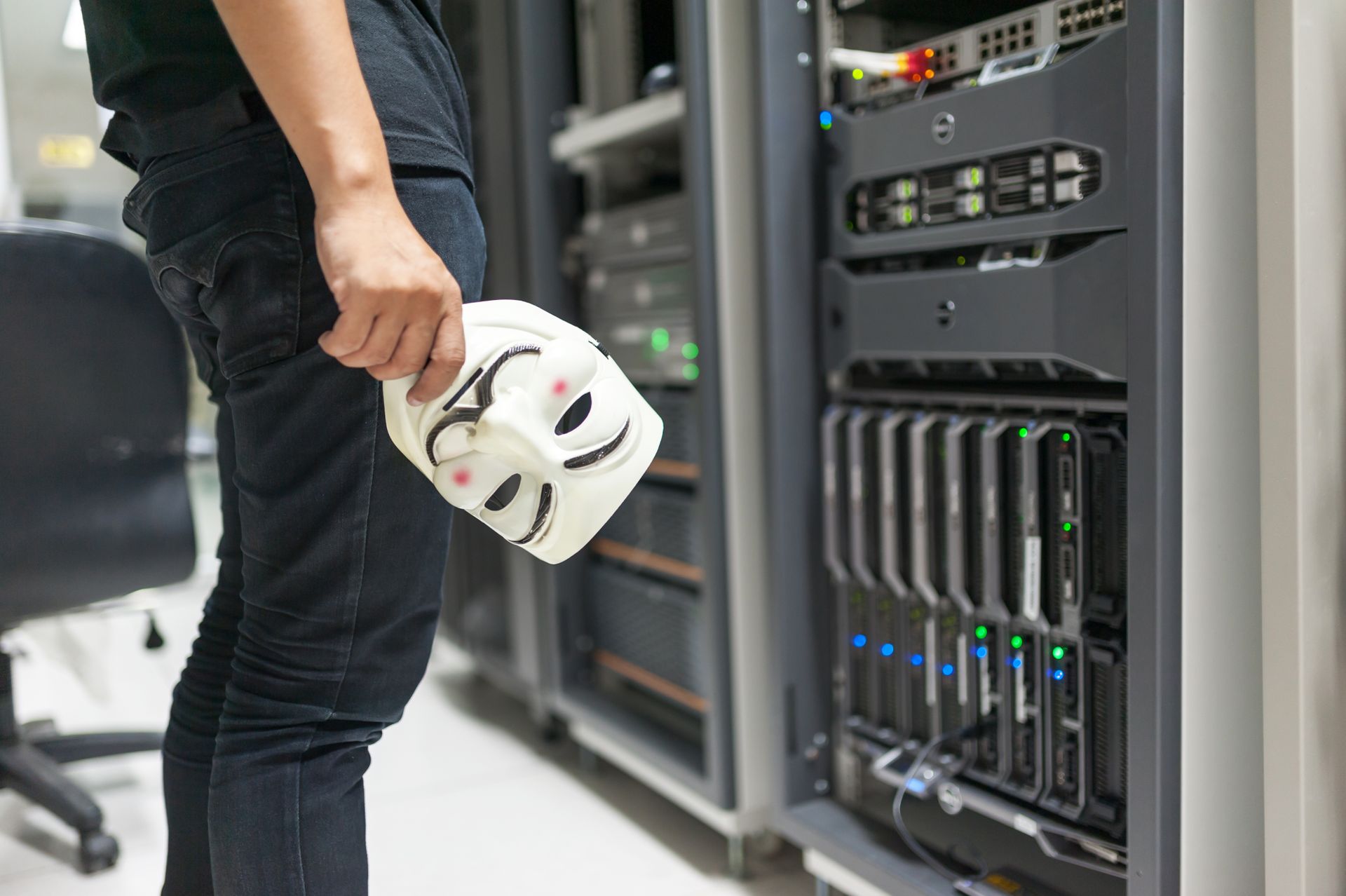
Cybersecurity has become a critical priority for organizations of all sizes. Many companies rely on professional cybersecurity consulting Idaho services to identify vulnerabilities, strengthen defenses, and develop long-term security strategies. Combined with remote IT support for small business, organizations can proactively address threats while maintaining reliable day-to-day operations.
What Are the Biggest Cybersecurity Threats for Small Businesses?
Many small businesses lack dedicated in-house IT security teams, making professional cybersecurity consulting Idaho services especially valuable. Security consultants can help identify weaknesses, implement protective measures, and create customized security plans that align with business goals and industry requirements.
Some of the most common threats include:
- Ransomware attacks
- Phishing emails
- Business email compromise
- Malware infections
- Weak passwords
- Insider threats
- Data breaches
- Unsecured devices and networks
Cybercriminals often target smaller organizations because they may lack dedicated security personnel or advanced security tools. Taking a proactive approach to cybersecurity can significantly reduce exposure to these risks.
How Do Ransomware Attacks Work?
Ransomware is one of the fastest-growing cybersecurity threats facing businesses today. A ransomware attack typically occurs when malicious software encrypts a company's files or systems, making them inaccessible. Cybercriminals then demand payment in exchange for restoring access.
Ransomware often enters a network through:
- Phishing emails
- Malicious downloads
- Infected websites
- Vulnerable software
- Compromised user accounts
Once inside a system, ransomware can spread quickly and disrupt business operations.
How Can Businesses Prevent Ransomware?
While no solution can eliminate all risk, businesses can significantly improve protection by:
- Maintaining secure backups
- Keeping software updated
- Implementing endpoint security
- Using multi-factor authentication
- Conducting employee cybersecurity training
- Monitoring network activity
Combining these measures creates multiple layers of defense against ransomware attacks.
What Is Endpoint Security and Why Does It Matter?
For organizations with remote or hybrid employees, endpoint security becomes even more important. Many providers offering remote IT support for small businesses help monitor and secure laptops, desktops, mobile devices, and servers from a centralized location, reducing the risk of cyberattacks across distributed work environments.
What Is Multi-Factor Authentication (MFA)?
Multi-factor authentication (MFA) is a security process that requires users to provide more than one form of verification before accessing an account or system.
For example, employees may enter:
- A password
- A verification code sent to a phone or authentication app
Even if a password is compromised, MFA creates an additional layer of protection that makes unauthorized access significantly more difficult.
Should My Company Use Multi-Factor Authentication?
In most cases, yes. MFA is widely recognized as one of the most effective and affordable cybersecurity measures available. It can help protect:
- Email accounts
- Cloud applications
- Business software
- Financial systems
- Remote access platforms
Implementing MFA can dramatically reduce the likelihood of account compromise and unauthorized access.
How Should a Business Build an Incident Response Plan?
No organization can eliminate the possibility of a cyber incident. That's why every business should have an incident response plan in place. An incident response plan outlines the steps a company will take if a security event occurs.
A comprehensive plan typically includes:
Incident Identification
Processes for detecting and reporting suspicious activity.
Containment Procedures
Steps to limit damage and prevent the threat from spreading.
Investigation and Analysis
Determining the cause, scope, and impact of the incident.
Recovery Procedures
Restoring systems, data, and normal business operations.
Communication Protocols
Guidelines for notifying employees, customers, vendors, and other stakeholders when necessary. Having a documented response plan can significantly reduce downtime and improve recovery efforts following a cyberattack.
How Often Should Businesses Conduct Cybersecurity Training?
Employees are often the first line of defense against cyber threats. Because phishing scams and social engineering tactics constantly evolve, cybersecurity training should not be treated as a one-time event.
Most businesses benefit from:
- New employee security training
- Ongoing awareness programs
- Quarterly refresher training
- Simulated phishing exercises
- Regular policy reviews
Frequent training helps employees recognize suspicious activity and reduces the likelihood of human error leading to a security incident.
Why Employee Education Is Critical to Cybersecurity
Many successful cyberattacks begin with a simple mistake, such as clicking a malicious link or opening a fraudulent email attachment.
Well-trained employees are more likely to:
- Recognize phishing attempts
- Follow security best practices
- Use strong passwords
- Report suspicious activity
- Protect sensitive company information
Investing in employee cybersecurity education can significantly strengthen an organization's overall security posture.
Building a Strong Cybersecurity Strategy
Cybersecurity is most effective when multiple layers of protection work together. Businesses should consider combining:
- Endpoint security
- Multi-factor authentication
- Data backups
- Employee training
- Network monitoring
- Security updates
- Incident response planning
This comprehensive approach helps reduce risk while improving resilience against evolving cyber threats.
How Can Remote IT Support Help Improve Cybersecurity?
Many small businesses do not have the resources to maintain a full-time internal IT department. That's where remote IT support for small businesses can provide significant value.
Remote IT support services can help businesses:
- Monitor systems for security threats
- Deploy software updates and security patches
- Respond to technical issues quickly
- Manage user accounts and permissions
- Support endpoint security initiatives
- Assist with backup and disaster recovery planning
When combined with professional cybersecurity consulting Idaho services, remote IT support can help create a stronger and more resilient technology environment.
Protect Your Business With Proactive Cybersecurity Solutions
Cyber threats continue to evolve, and businesses need more than basic antivirus software to stay protected. Through professional cybersecurity consulting Idaho services and reliable remote IT support for small businesses and organizations, they can strengthen security, improve operational efficiency, and reduce the risk of costly disruptions.
By implementing endpoint security, multi-factor authentication, employee training programs, incident response planning, and ongoing IT support, businesses can build a stronger defense against modern cyber threats while maintaining productivity and business continuity.
Is Your Business Prepared for Today's Cybersecurity Threats?
From ransomware protection and endpoint security to multi-factor authentication and employee cybersecurity training, MicroTech helps businesses strengthen their defenses against evolving cyber risks. Contact MicroTech Systems today to learn how our IT and security solutions can help protect your systems, data, and operations.